





Local Experts Dedicated to Quality
Why Choose Precision Site and Septic?
Licensed & Experienced Professionals
Our team is fully trained, certified, and experienced in all septic and site work services — ensuring every job meets industry standards.
Honest Pricing With No Surprises
We provide clear, upfront estimates so you always know exactly what you’re paying for. No hidden fees, ever.
Customer Satisfaction Guaranteed
High-Quality Workmanship
From septic systems to land preparation, we use top-grade materials and proven methods for long-lasting results.
Full-Service Solutions
Installation, repairs, pumping, inspections, grading, trenching — we handle it all, so you don’t need multiple contractors.
Fast & Reliable Service
Services
We install advanced, gravity, and engineered septic systems for new homes, renovations, and commercial properties. Our team handles permits, excavation, tanks, drain fields, and full system setup.
Site work
Grading
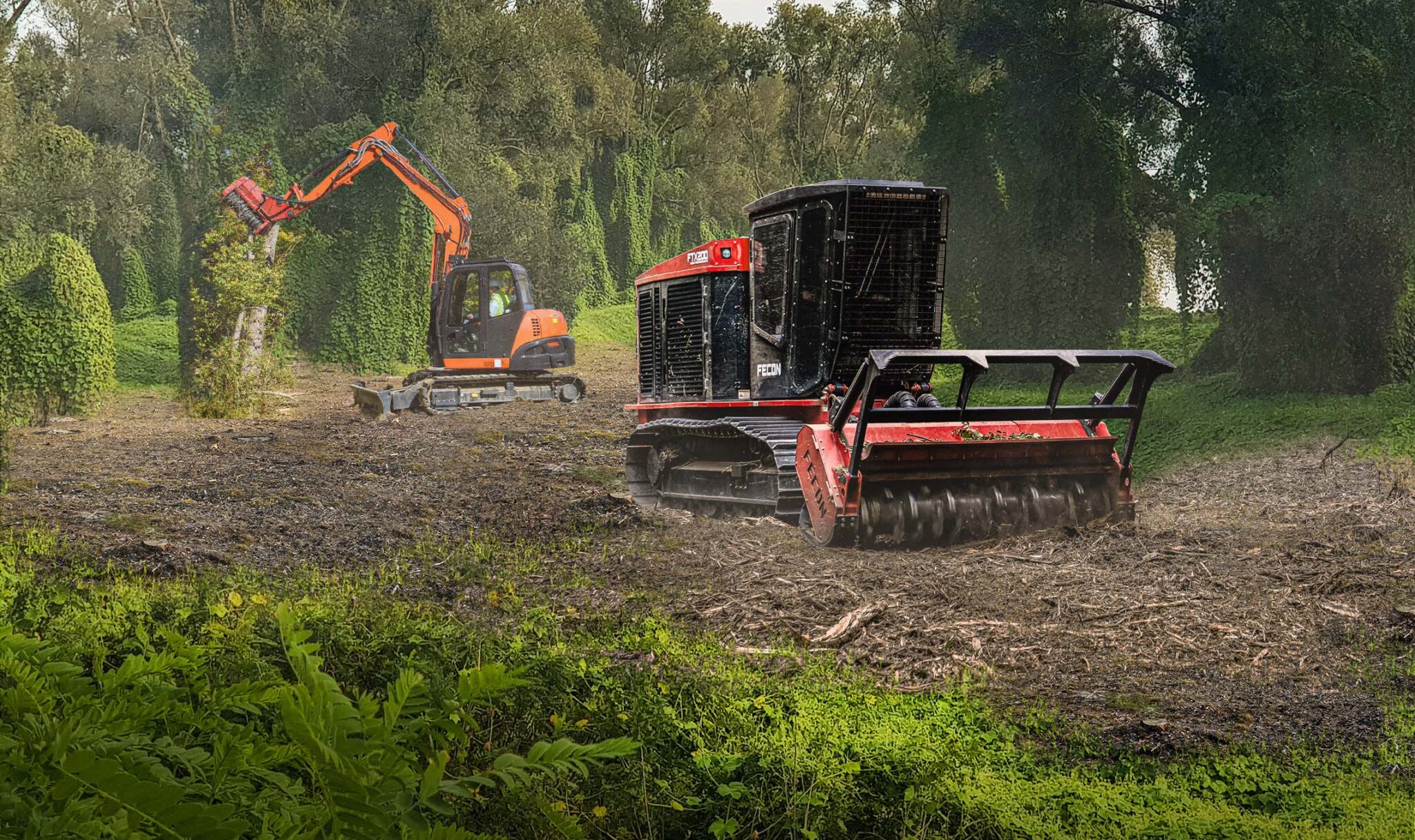
Land clearing
Prescribed burning
Habitat management
Septic Tank Installation
Drainage
Frequently Asked Questions
We offer our services all over Northeast Alabama. Huntsville, Madison, Athens.
A septic system typically includes a septic tank and a drain-field (or leach field). Wastewater exits your home through plumbing into the septic tank — a buried, watertight container. In the tank, solids settle to the bottom (sludge), and oils/grease rise to the top (scum). The remaining liquid (effluent) flows out into the drain-field, where it is naturally filtered by the soil. 
As a “sitework and septic” company, we handle the earthwork and site grading needed to prepare your property, plus design and install the septic system (tank, piping, drain field) — ensuring proper placement, grading, soil conditions, and compliance with local requirements.
It depends on many factors — including the size of the tank and how many people live in the home. As a general guideline, a septic tank should be inspected every 1–3 years, and pumped every 3–5 years.
Regular maintenance helps prevent solids from overflowing into the drain-field, which can lead to clogs or complete system failure
Before installation, we perform a site evaluation — which includes assessing soil type, drainage, slope and property layout — to determine whether the land is suitable for a septic system. 
Depending on your county’s regulations, obtaining the proper permits may be required. A licensed septic installer should pull permits and handle documentation. 
Once permits are secured and sitework is done (grading, excavation, soil prep), we install the tank, piping, and drain-field — ensuring the layout meets regulatory setbacks and environmental standards.
Great Support Team

Joseph L.Mabie
Influencer
Excellent Service

Joanne Ellis
Content Creator
Very Powerful

